


By Dr. Reshav Mehtani
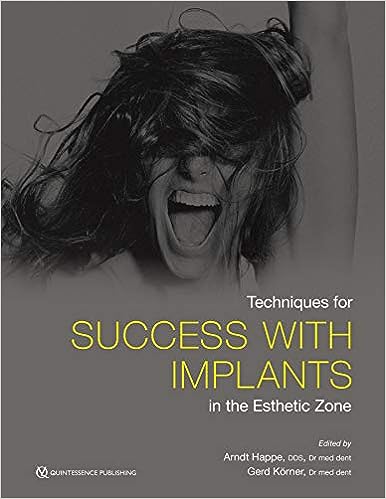
Techniques for Success with Implants in the Esthetic Zone offers a detailed exploration into the world of anterior implant placement, catering to both new graduates and established practitioners seeking to enhance their expertise in this niche area. The textbook primarily focuses on anterior implants, yet it goes beyond the scope of mere aesthetics, delving into the placement techniques themselves, bone grafting vs. immediate placement, uncovering techniques for implants, and much more.
The layout and flow of the book is well organized and easy to follow. There are times when the authors present a problem, and then go on to explain how one could solve said complication, which was a nice touch and helped keep the reader engaged. Additionally, at the end of each section, there is a conclusion portion that summarizes the main ideas discussed, which makes quick reference very easy, allowing the reader to recap and emphasize key points.
The most notable aspect of this textbook is its utilization of images and actual cases to aid in conveying concepts. The inclusion of these images undoubtedly assists in clarifying the discussed topics, bridging the gap between theory and practice. Readers are provided with a visual companion that facilitates their comprehension of the intricate procedures associated with anterior implant placement.
Although centered on esthetic considerations, the book manages to touch on the broader process of implant placement. This comprehensive approach ensures that readers not only grasp the superficial aspects but also develop a deeper understanding of the underlying procedures, allowing for informed decision-making and successful outcomes. While this book is very informative, one should not use it as their sole source of information on the subject of implants, but rather as an adjunct.
A strong emphasis on evidence-based practice is evident in the frequent referencing of meta-analysis articles throughout the book. This practice lends credibility to the techniques and suggestions presented, encouraging readers to adopt a scientifically grounded approach to their clinical practice. However, a note of caution arises when considering certain techniques, such as the Buccal Shield Technique. The textbook admirably addresses the intricate nature of these techniques, emphasizing their sensitivity. This awareness is an essential reminder that while the book provides valuable insights, not all techniques may be suitable for every practitioner’s skill level. As an example, the book briefly covers CTG (Connective Tissue Grafting) and bone grafting from the retro-molar region of the mandible, which is likely too complex for the average general practitioner. That being said, the other 85% of the book can be applied by the GP and would be seen as useful and valuable information.
 Beyond the Bite